

Peter White
November 05, 2026



Market Insights - US Mid Term Elections
There has been considerable ink spilled since the U.S. mid-term results on Tuesday evening, and we hope the following serves as a quick distillation of its immediate and long-term impacts to global markets:
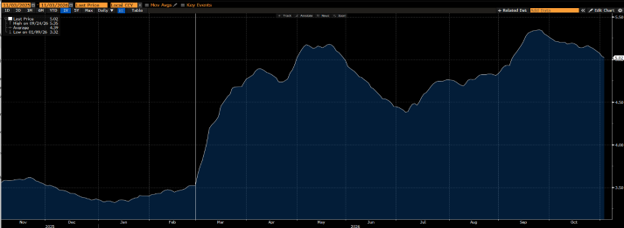
Affordability and high gas prices were the major pain point for Americans. In exit polls, 9 of 10 voters said the cost of living was either a “crucial” or “major” factor in who they voted for, and 87% said they were “very” or “somewhat concerned about the increase in food and gas prices (Source: NBC). There is a clear correlation between the war in Iran and the jump in gasoline prices, as illustrated in the charts below. Brent Crude Oil prices fell 10% yesterday alone and dropped below $100/barrel for the first time since early September (bloomberg). Gas prices followed suit dropping to $5/gallon. Consumer stocks jumped as higher gas prices are a tax on the U.S. consumer (and weigh on the margins of consumer companies who have to deliver goods to market). The market moves reflect the belief that pursuing the war in Iran is no longer politically viable. However, this likely lowers U.S. negotiating power with Iran and the probability that traffic in the Strait of Hormuz returns to its pre-war levels (without U.S. military support). Closer to home, it also improves the negotiating leverage of key trade partners to the U.S. like Canada, as tariffs are also a clear contributor to the affordability issues confronting Americans today.
Divided government - Markets like government gridlock as it gives them visibility that the current rules will stay in place for the foreseeable future. The Senate needs 67 votes to overrule the presidential veto, so while their 54 seats gives them the majority in the Senate, it also ensures that the any bills put forward have to have bipartisan support, and the support of the President, to pass.
Debt Ceiling - This issue will be more contentious and could weigh on market sentiment in the months/years ahead. Congress will have to raise the debt ceiling next year to avert another shutdown. A shutdown means that critical economic releases will be delayed, decreasing market transparency. The first funding deadline is December 11, 2026, which will be a critical test (even though the newly appointed Senators/Congressional Leaders aren’t sworn in until January). This could weigh on the U.S. dollar’s reserve currency status and could push yields higher. We also expect a chorus of calls for impeachment of various U.S. leaders which may unsettle confidence in the U.S. dollar.
Data Centers - Texas and Georgia have the highest concentrations of data center projects and both states flipped to Democrat Senators promising to halt data center development. This could weigh on companies levered to continued expansion of U.S. data centers to support AI development – including semiconductor stocks, construction companies and the ancillary businesses that support data centers (electrical power, cooling systems, etc). However, existing data center infrastructure, which is largely owned by hyperscalers like Meta, Amazon, Google and Microsoft, should start trading at a premium. It remains to be seen whether the new Senators will stick to their campaign promises and forego the tax revenues and jobs created by these new data centers.
A vote for Federal Reserve independence - The U.S. administration was outspoken in its criticism of the Federal Reserve – advocating to replace Federal Reserve governors and pursuing legal action against former Federal Reserve Presidents (including those that they appointed). Democrats, led by Senator Elizabeth Warren of the Senate Banking Committee, have consistently advocated for the Federal Reserve’s operational independence. They also control new appointments to the Fed, and current Federal Reserve President Warsh, whose term ends in 2030, will need to work to win over current legislators. An independent Federal Reserve should buoy confidence in the U.S. dollar.
The bottom line: Net-net, we view the mid-term results as a mild positive for global markets – while it may weigh on current market leadership (tech/AI), it will hopefully keep some of the current administration’s worst impulses in check and allow the broader economic tailwinds to gather momentum.
Appendix 1 - Brent Crude Prices Oil Prices $/Barrel (Nov 2025 – Nov 2026)
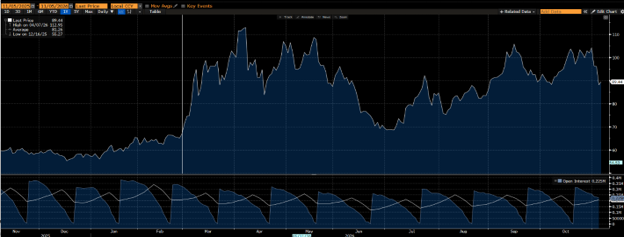
Appendix 2 - West Texas Intermediate Oil Prices $/Barrel
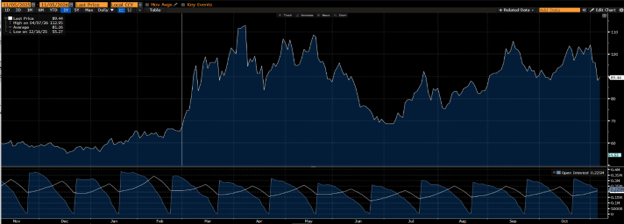
Appendix 3 -Average U.S. Gasoline Prices / Gallon (Nov 2025 – Nov 2026)